Tadpole is not a school.
It is a childhood philosophy
Tadpole was created with a simple belief – that childhood deserves space, intention, and respect.
We believe learning is not limited to classrooms or curricula. It lives in movement, stories, conversations, questions, play, and reflection. Through our ecosystem, we support children and families by creating spaces that nurture curiosity, confidence, and individuality.
Each Tadpole vertical carries the same philosophy – to grow without pressure and learn with meaning.
The Tadpole Unschooling Model
The Tadpole Unschooling Model
The Tadpole model rests on three core pillars.
They are not methods.
They are orientations — ways of seeing childhood.
Every Child Is Born Whole
At Tadpole, we begin with the assumption that nothing is missing.
Children are not incomplete adults.
They do not arrive needing to be prepared for life.
They arrive with:
Curiosity
Rhythm
Intuition
An innate drive to grow
Learning emerges naturally when a child feels safe, unhurried, and allowed to be themselves.
Our role is not to push development forward, but to remove what interrupts it.
The Mother Is the Curriculum
We believe that young children do not primarily learn from content.
They learn from relationship.
The nervous system of the caregiver sets the emotional climate in which learning either opens or shuts down.
This is why we say:
The mother is the curriculum.
This does not mean mothers must perform, teach, or do more.
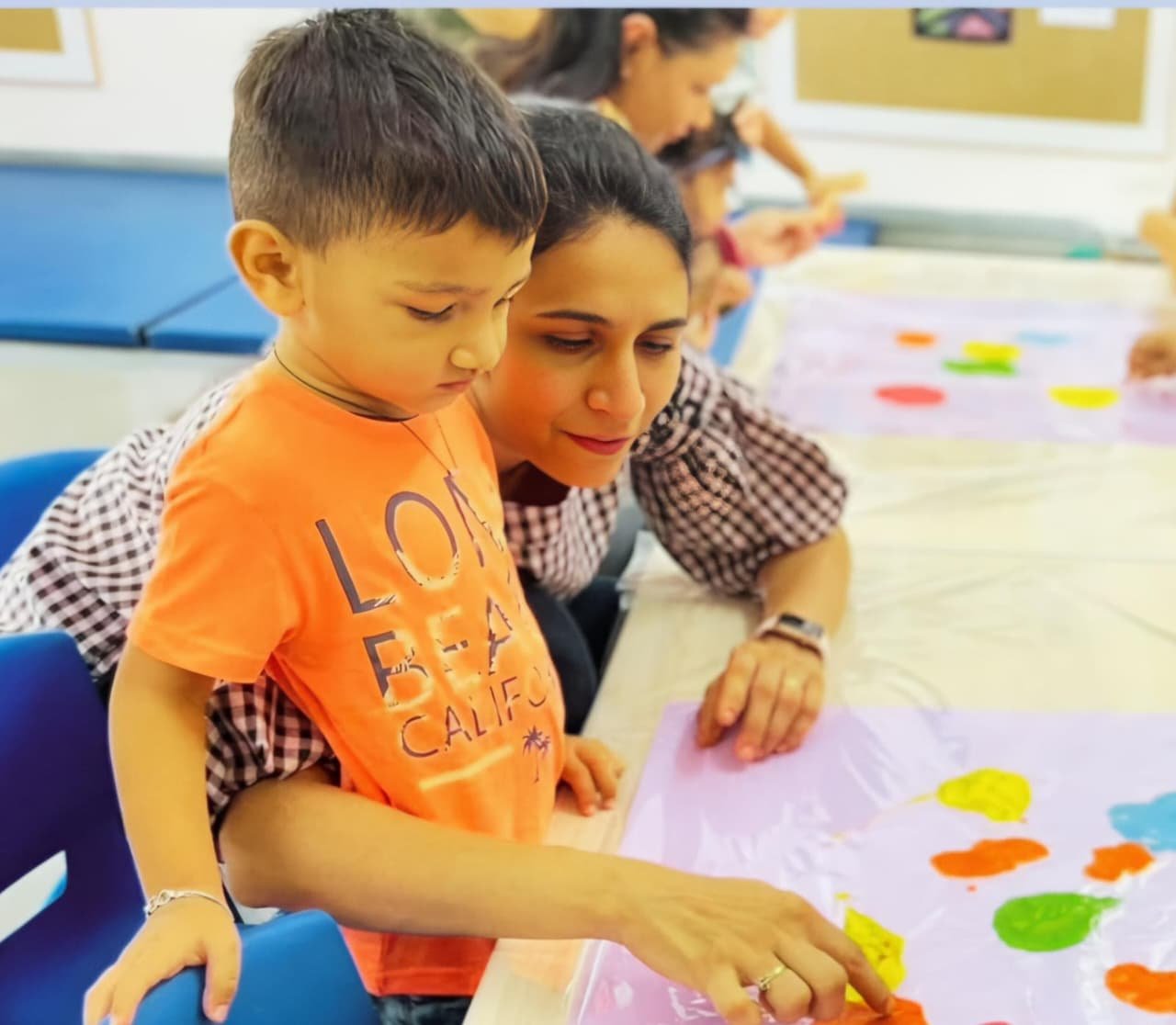
It means that presence matters more than instruction.
At Tadpole, we support mothers not to become “better parents,” but to become:
More resourced
More regulated
More trusting of themselves
When the adult slows down, the child can too.
Nervous System Regulation Comes First
A child who feels safe will explore.
A child who feels held will take risks.
A child who can return to calm will learn.
In the Tadpole model:
Regulation becomes the foundation
Transitions matter more than milestones
Repair matters more than perfection
We do not ask, “What did the child learn?”
We ask, “How did the child feel while learning?”
Because learning that happens in safety stays.
What This Looks Like in Practice
No performance pressure.
No comparison or competition.
No rewards for output.
No rushing childhood forward.
No performance pressure.
No comparison or competition.
No rewards for output.
No rushing childhood forward.
Instead, we create environments where:
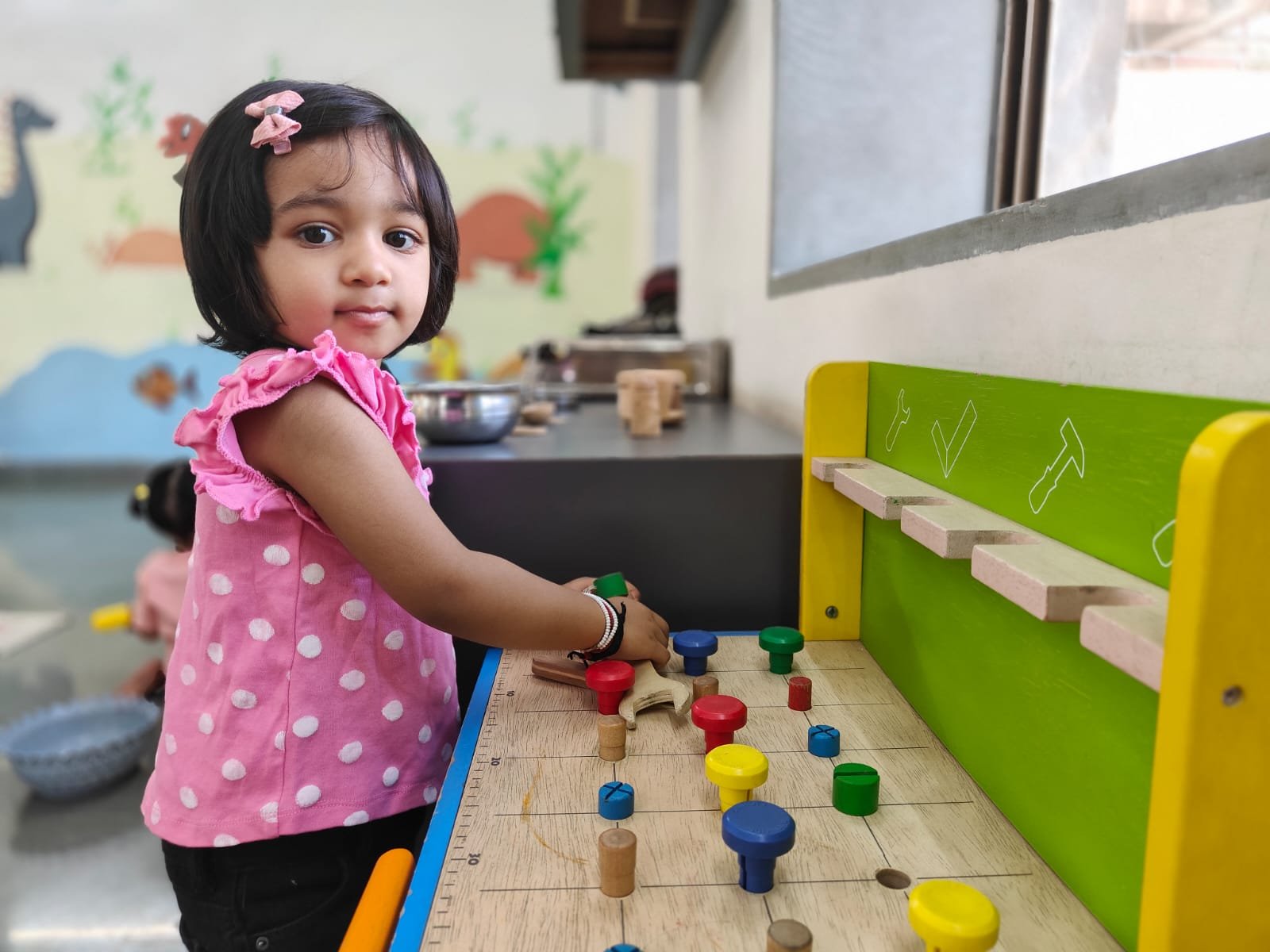
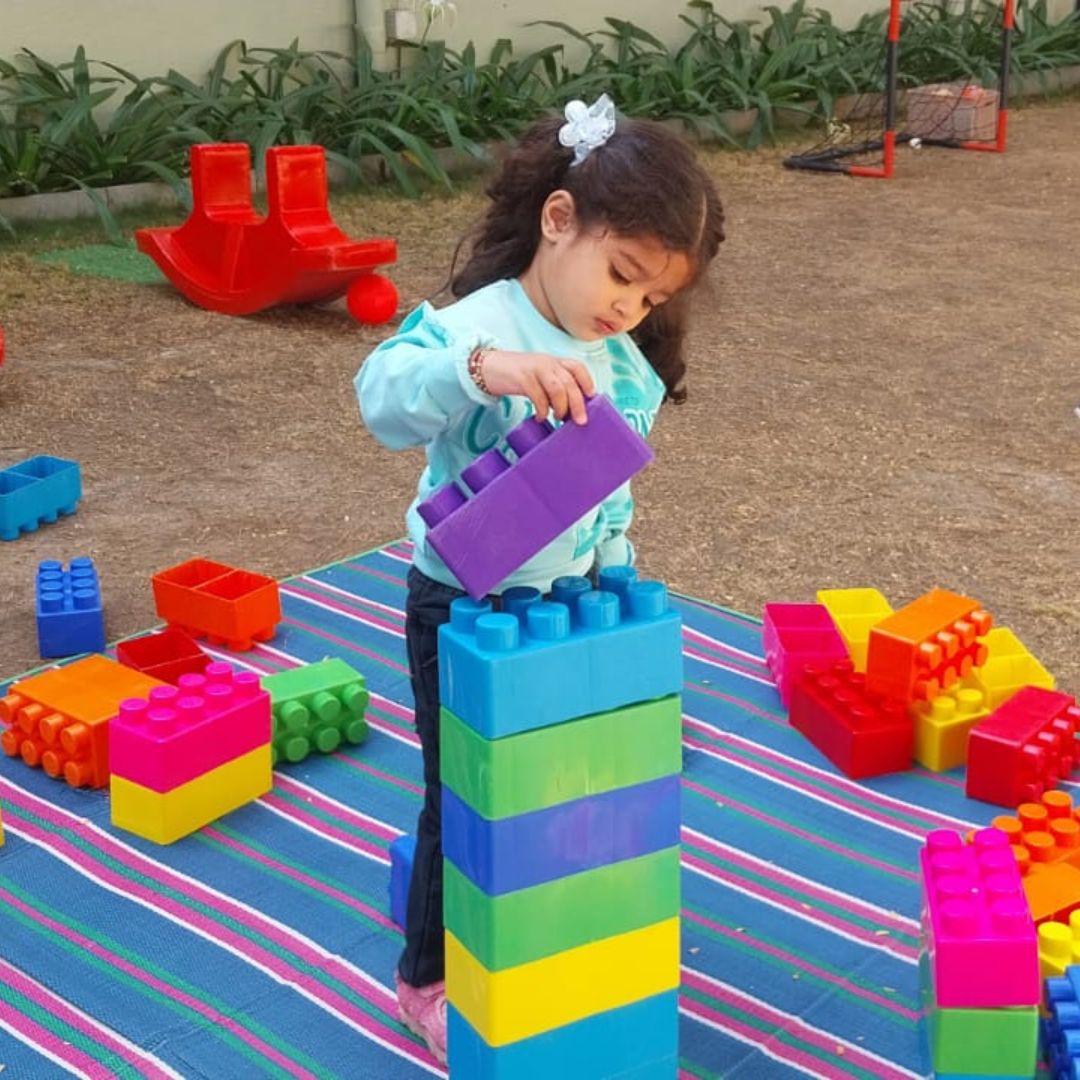
Play is meaningful.
Stories build identity.
Movement supports emotional balance.
Conflict is repaired, not punished.
Time is allowed to be slow.
Tadpole is not content to be consumed.
It is a way of being with children.
Why This Matters
The world children are growing into is fast, loud, and optimized.
What will protect them is not early achievement, but:
Self-trust
Emotional resilience
bodily awareness
the ability to return to calm
secure relationships
This is the work Tadpole exists to do.
Not to prepare children for the world — but to protect childhood itself.